Key Takeaways
- Prioritize sleep hygiene — a rested brain regulates emotions far better
- Mindfulness and deep breathing physically signal safety to your nervous system
- Limit caffeine and alcohol, which can worsen physical anxiety symptoms
- Physical activity boosts mood-regulating neurotransmitters
Anxiety is the most common mental health condition in the United States, affecting more than 40 million adults. Yet despite its prevalence, anxiety is still widely misunderstood — often dismissed as 'just stress' or treated as a character flaw rather than a medical condition. The truth is that anxiety has a clear neurobiological basis, and it responds well to both lifestyle interventions and professional treatment.
As a psychiatric provider at Lyte Psychiatry, I work with anxious patients every day. While medication and therapy are powerful tools, there are also evidence-based lifestyle strategies that can meaningfully reduce anxiety symptoms and build long-term resilience. Here are five that I recommend most often.
“Anxiety is a medical condition, not a personal failing. Seeking help is one of the most courageous things you can do.
Toyin Awe, PMHNP-BC · Lyte Psychiatry Clinical Team
First, prioritize sleep hygiene above almost everything else. The relationship between sleep and anxiety is bidirectional — anxiety disrupts sleep, and poor sleep dramatically worsens anxiety. A well-rested brain has far greater capacity to regulate emotions, tolerate uncertainty, and respond to stress proportionately. Aim for 7–9 hours of consistent sleep, keep a regular sleep schedule even on weekends, and create a wind-down routine that signals to your nervous system that it is safe to rest.
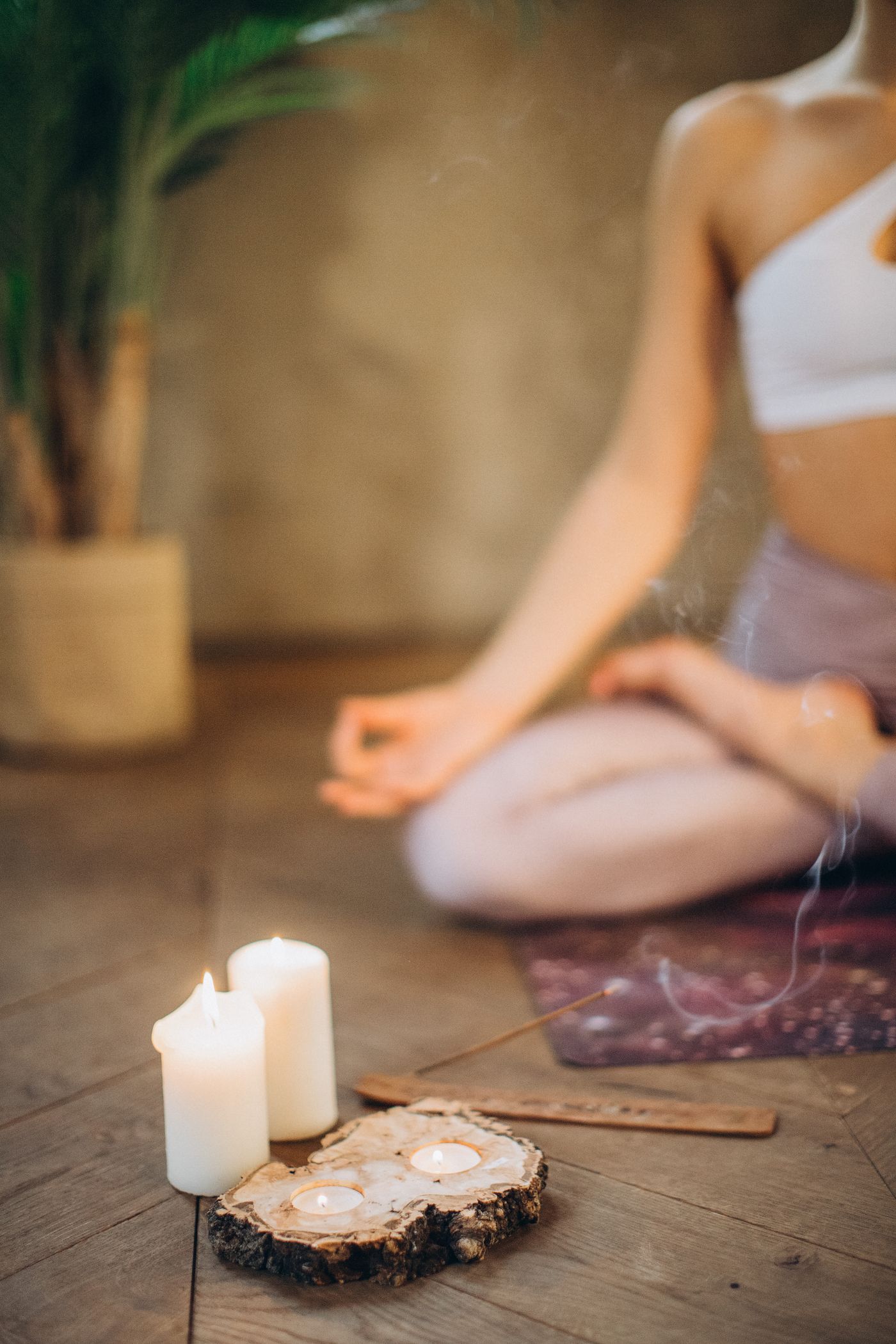
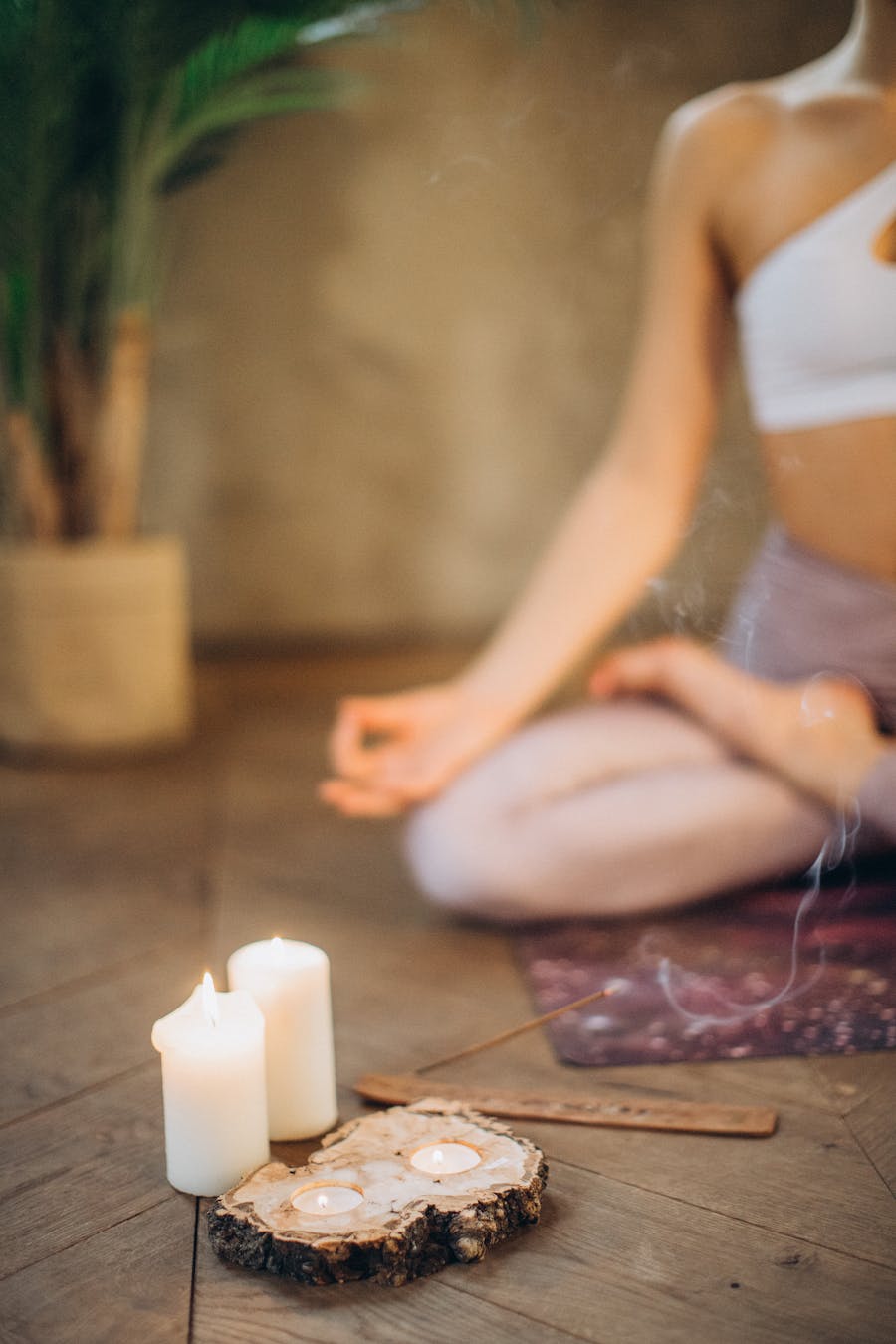
Second, practice diaphragmatic breathing daily — not just when you're anxious. Deep, slow breathing activates the parasympathetic nervous system, physically signaling to your body that you are safe. The 4-7-8 technique (inhale for 4 counts, hold for 7, exhale for 8) is particularly effective. Practiced regularly, this becomes a powerful tool you can deploy in any anxious moment.
Third, reduce or eliminate caffeine and alcohol. Both are anxiety amplifiers. Caffeine directly stimulates the sympathetic nervous system, producing physical symptoms — racing heart, trembling, sweating — that are indistinguishable from anxiety. Alcohol, while initially sedating, disrupts sleep architecture and increases anxiety the following day. Many patients are surprised by how much their baseline anxiety improves simply by cutting back on coffee.
Fourth, move your body every day. Exercise is one of the most well-researched anxiety interventions available. Even a 20-minute brisk walk significantly reduces cortisol levels and boosts serotonin and dopamine — the neurotransmitters that regulate mood and calm. You don't need an intense workout; consistency matters far more than intensity.
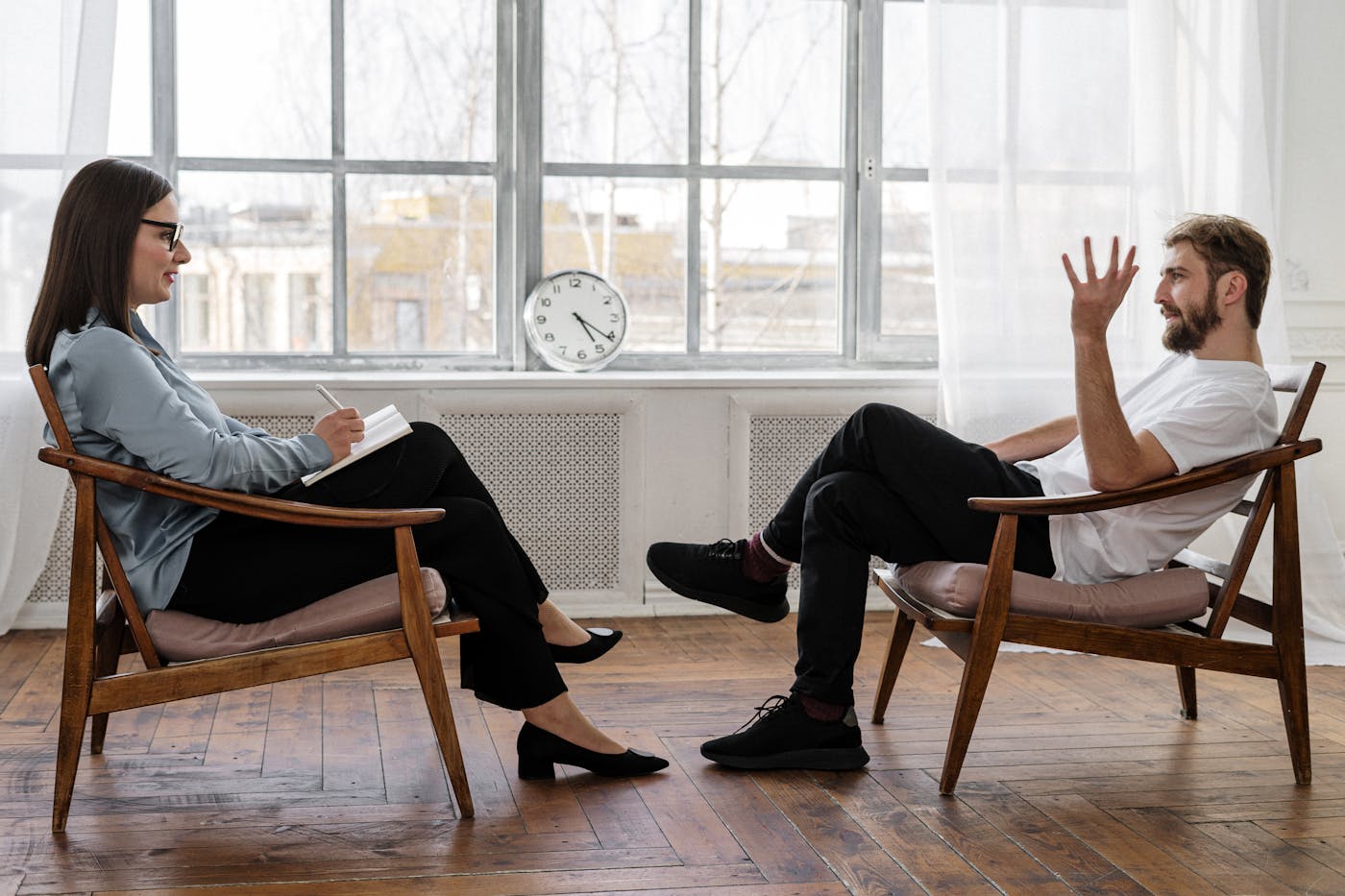
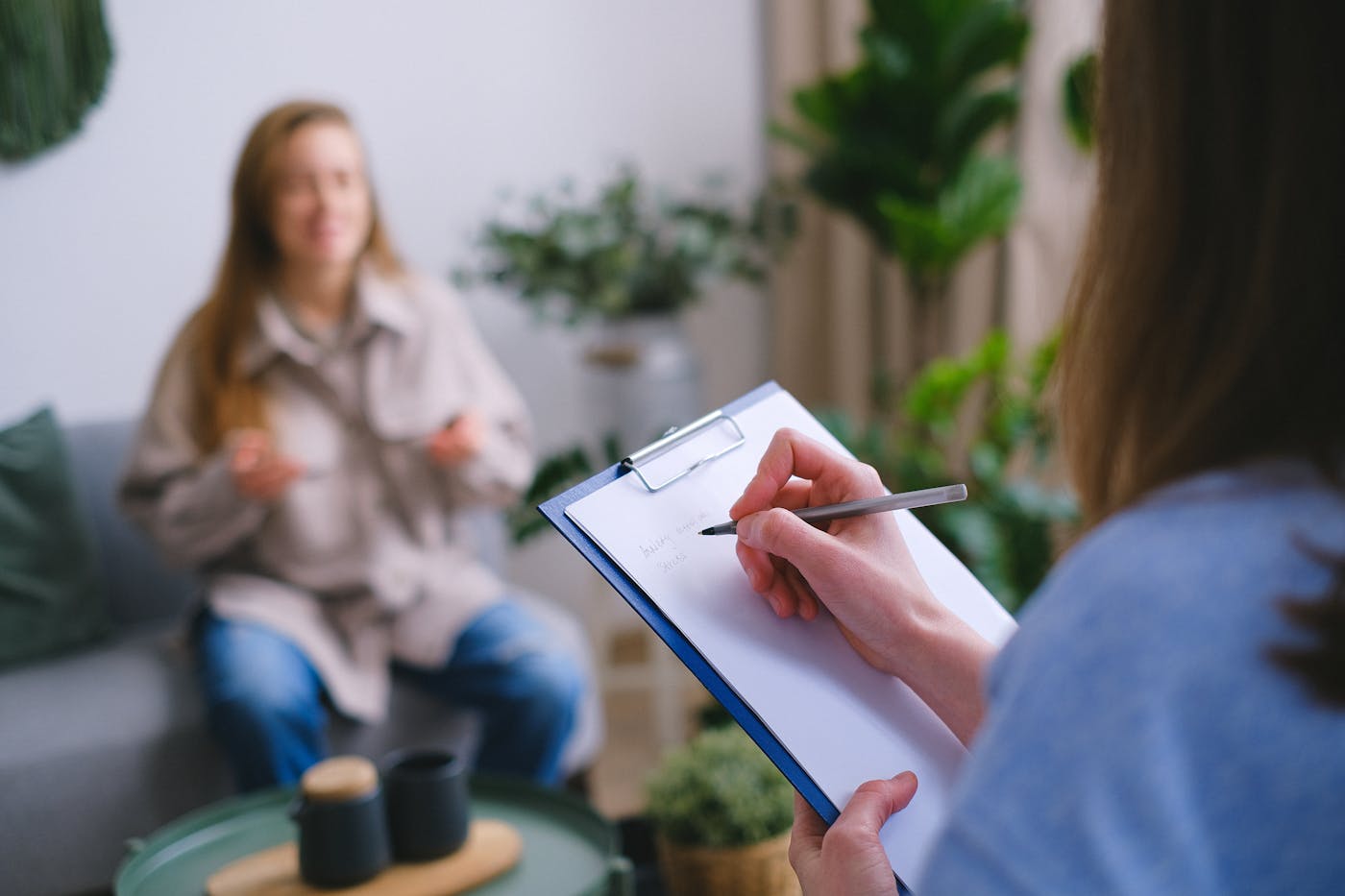
Fifth — and most importantly — don't wait to seek professional help. Anxiety is a medical condition, not a personal failing. If your anxiety is interfering with your work, relationships, or quality of life, lifestyle strategies alone may not be enough. A board-certified psychiatric provider can evaluate whether medication, therapy, or a combination of both would help you achieve lasting relief. At Lyte Psychiatry, we offer same-day appointments across Texas — because anxiety shouldn't have to wait.
Toyin Awe, PMHNP-BC
Lyte Psychiatry Clinical Team
Board-Certified Provider · Texas
Ready to get started?
Book an appointment today
Same-day and next-day appointments with board-certified providers across Texas.